
Kashif Hameed
internal links

The Power of Internal Links for SEO:Boosting Your Blog Visibility

Internal linking is a potent tactic in the broad and fiercely competitive world of search engine optimization (SEO) that may significantly increase your blog’s exposure and organic traffic. You can improve user experience, raise page authority, and improve your blog’s overall SEO performance by thoughtfully inserting links into your content. These links will direct visitors and search engines to pertinent pages on your website. The significance of internal links for SEO will be covered in detail in this post, along with practical methods for maximizing their influence on your blog’s online visibility.

What Are Internal Links In Seo?

Internal links are hyperlinks used in SEO to link pages on the same domain. These connections are crucial for SEO since they aid search engines in comprehending the hierarchy and structure of a website. By connecting pertinent sites, these links can help with user experience, link distribution, and website navigation.

They are critical in directing search engine crawlers to find and index information, which can eventually improve organic results. By putting the URL of the target page within an anchor element, HTML is frequently used to establish these links.

How Do Internal Links Impact Seo?

Internal links are essential for SEO since they connect pages on a website and aid in understanding the site’s structure and hierarchy of content by search engines. These connections aid in navigation and disperse link equity around the website, making it easier for search engines to find and index new pages.

Website owners may prioritize crucial sites, enhance the user experience, and improve their overall SEO performance by carefully deciding where to place these links.

internal links img

What Is The Purpose Of Using Internal Links?

Internal links connect pages on a website and make it simple for people to browse relevant material. Internal connections provide websites with a clear and logical structure, which enhances usability and user experience. Additionally, they help search engines comprehend the relationships and hierarchy among the pages on a website, which is beneficial for exploring engine optimization (SEO) efforts.

Website owners may direct users to key pages, boost page views, and improve overall website performance by carefully establishing these links.

How Can Internal Links Improve Website Navigation?

Such links offer a clear and organized framework for visitors to browse between the many sections of a website, significantly improving website navigation. Users may quickly access relevant information or explore various website parts using these types of  links carefully placed throughout the material.

In addition to improving user experience, this aids search engines in comprehending the website’s hierarchy and organizational structure, enhancing indexing and ranking. Furthermore,these links can assist in spreading link equity around the website, improving the visibility and authority of critical sites.

What Are Some Best Practices For Using Internal Links In Seo?

To optimize such links for SEO, there are several best practices to consider:

Use descriptive anchor text:

The text that may be clicked on to open a hyperlink is called anchor text. It is vital to provide anchor language that correctly summarizes the information on the linked page and is relevant and evocative. This aids search engines in comprehending the relevance and context of the linked page.

Create a logical site structure:

Create a logical and hierarchical structure for the material on your website. This entails grouping your pages into pertinent sections and subsections to facilitate site navigation for visitors and search engines. A clean site layout makes it easier for search engines to recognize the significance and connections between various sections.

Link deep within your site:

These links should also point to more than just the home page or other top-level sites. Connecting deep inside your website is advantageous, meaning people and search engine crawlers to specific pages that could contain worthwhile material. By doing this, you may increase the visibility of deeper pages in search engine results and spread link equity across your website.

Use contextual linking:

Such links should be inserted into the main body of a web page rather than only in the sidebars or navigation menus. This practice is known as contextual linking. Because it implies that the linked page has extra information on the subject under discussion, this style of linking gives users and search engines more context and relevance.

Avoid excessive internal linking:

While internal linking is necessary, avoiding using it excessively is crucial. Excessive internal links can confuse users and lessen the impact of each link individually. Instead of over-saturating users with links, offer pertinent and valuable connections that improve their experience.

Conclusion

In conclusion, internal links are pretty crucial for improving a blog’s search engine optimization (SEO) exposure. Website owners may improve the overall structure of their site, the user experience, and organic traffic by adequately positioning and optimizing internal connections inside a blog. These links make it simpler for search engines to browse and index pages by assisting them in understanding the structure and relevancy of material inside a website.

FAQs

What Are Internal Links?

These links point from one page on your website to another within the same domain. They help users navigate your site and can also improve your search engine rankings.

Why Are Internal Links Important For Seo?

Such type of links can help improve your search engine rankings by:

  • Helping search engines understand the structure and hierarchy of your website.
  • Passing link equity from one page to another.
  • Providing users with a better navigation experience.

How Do I Create Effective Internal Links?

To create effective internal links, follow these best practices:

  • Use descriptive anchor text that accurately describes the destination page.
  • Use contextual links that are relevant to the content on the page.
  • Avoid using too many such types of  links on a single page.
  • Use various link types (e.g., naked links, keyword-rich links, image links).

How Can I Optimize My Internal Linking Strategy?

To optimize your internal linking strategy, consider the following tips:

  • Use a logical URL structure that is easy for users and search engines to understand.
  • Use a consistent naming convention for your pages and posts.
  • Use descriptive headings and subheadings to help users and search engines understand the content of your pages.
  • Use these links to highlight important website content and help users find related information.
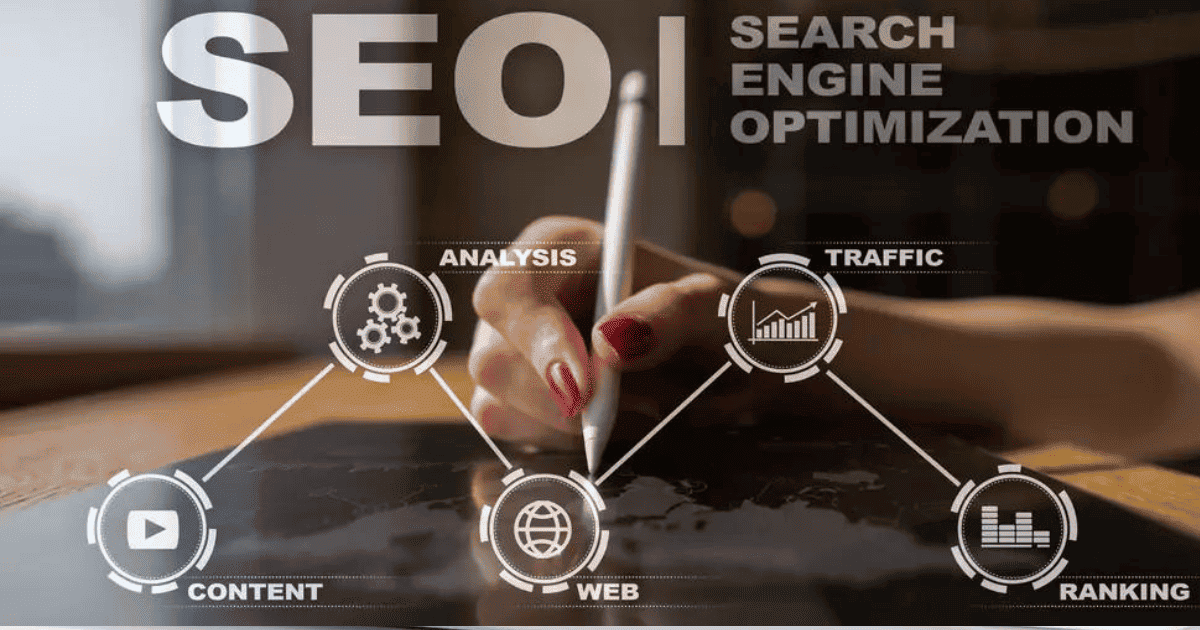
 

SEO img

Mastering SEO Techniques: A Comprehensive Guide for Bloggers

A successful online presence is essential for every blog or website in today's digital world. To
increase exposure and generate organic traffic for your content, search engine optimization
(SEO) tactics are essential. Bloggers may increase their website's rating on search engine
result pages (SERPs) and, as a result, their chances of drawing in more readers and
prospective customers. To optimize their material and broaden their online audience, bloggers
may use various SEO Techniques, which are all covered in-depth in this article.

What Is Seo?

Search engine optimization, or SEO, is optimizing a website or online content to increase its
exposure and position on search engine results pages (SERPs). It encompasses a variety of
tactics and methods targeted at boosting natural (non-paid) traffic to a website by improving its
usability and relevance for search engines. Both on-page optimization—such as optimizing
keywords, meta tags, and content structure—and off-page optimization—which includes
constructing quality backlinks and enhancing a website's general reputation and authority—are
included in SEO. The main objective of SEO is to improve a website's exposure in search
engine results, which will boost organic traffic and maybe result in conversions.

Why Is SEO Important For Websites?

Websites need SEO (search engine optimization) because it increases their exposure and
rating on search engine results pages (SERPs). SEO helps search engines recognize a
website's relevance to certain search queries by optimizing various factors, including the
website's content, structure, and keywords. Consequently, there is a greater probability that the
website will rank higher in natural (unpaid) search results, resulting in more organic traffic and
prospective consumers. In addition, SEO improves user experience by making websites
quicker, easier to use, and mobile-friendly. In the end, spending money on SEO may result in
better brand recognition, credibility, and business expansion.
What Are The Different Types Of Seo Techniques?
Several SEO techniques can enhance a websites search engine performance.

On-Page SEO:

On-page SEO is making individual web pages more visible in search engine results. Title tags,
meta descriptions, headers, URL structure, keyword use, content quality, internal linking, and
image optimization are just a few of the webpage components that need to be optimized using
this strategy. With on-page SEO, a website's content is understood by search engines to be
valuable and relevant.

Off-Page SEO:

Off-page SEO enhances a website's reputation and exposure outside its domain. This strategy
uses actions from the website to develop backlinks, raise brand recognition, and improve traffic.
Link building, social media marketing, influencer outreach, guest blogging, online reputation
management, and social bookmarking are off-page SEO tactics. These actions aid in search
engines recognizing the website as reliable and authoritative.

Technical SEO:

Technical SEO is optimizing a website's technical components to enhance search engines
ability to crawl and index it. It ensures that the website's content is accessible to and
understandable to search engine bots. Technical SEO approaches include canonicalization,
structured data implementation, robots.txt file optimization, website speed and performance
optimization, mobile friendliness, HTTPS installation for secure surfing, and crawl error
correction.
Local SEO:
Local SEO aims to increase a website' prominence in local search results. Businesses that
target clients in certain geographic regions should pay special attention to this method. Local
SEO includes monitoring online reviews, optimizing for local keywords, and maintaining
consistent NAP (Name, Address, Phone number) information across multiple online directories.
It also involves optimizing Google My Business listing and generating location-specific landing
pages.

Voice Search Optimization:

The importance of voice search optimization has increased with the popularity of voice
assistants and smart speakers. This method entails adapting website content to the natural
language requests of voice searches. Utilizing long-tail keywords, responding to commonly
asked queries, improving featured snippets, and ensuring mobile usability are all part of voice
search optimization.

How Can On-Page Optimization Improve Search Engine
Rankings?

Enhancing on-page optimization is essential for raising search engine ranks. Website owners
may optimize their web pages to make them more relevant and appealing to search engines by
putting various approaches and strategies in place. This entails adding pertinent keywords to
meta tags, headings, URLs, and content; ensuring proper keyword density; speeding up page
load time; enhancing the user experience through responsive design and mobile optimization;
using evocative alt tags for images, and producing high-quality and engaging content. These
on-page optimization techniques improve search engines comprehension of the website's
content and raise the website's visibility in search results

What Are Some Off-Page Optimization Techniques To
Boost Website Visibility?

Techniques known as "off-page optimization" are methods employed outside a website to raise
its exposure and position in search engine results pages. A few crucial approaches are building
high-quality backlinks from trustworthy websites, using social media marketing to increase
brand recognition and drive traffic, and producing useful and shareable content that inspires
people to link to the website. Additionally, you may increase website visibility by engaging in
online forums and communities, writing guest posts for relevant websites, and optimizing local
company listings.

How Can Technical Seo Improve Website Performance
And User Experience?

Technical SEO is essential for increasing user experience and website performance. Technical
SEO guarantees that search engines can readily access and comprehend a website's content
by optimizing various technical elements, including site performance, mobile friendliness,
crawlability, and indexability. In turn, this raises the website's ranking in search engine results,
which boosts organic visitors. Technical SEO procedures like adding structured data markup
and optimizing meta tags may also improve the look of search engine results, making them
more user-friendly. By lowering page load times, enhancing navigation, and assuring
compatibility across all devices and browsers, a well-optimized website not only increases its
exposure and accessibility but also offers a smooth user experience.

Conclusion:

To sum up, learning SEO tactics is essential for bloggers who want to improve their online
presence and attract more organic visitors. This thorough book has offered insightful information
regarding keyword research, on-page optimization, link building, and content production. By
successfully applying these methods, bloggers may increase their search engine ranks and
ultimately expand their readership. To maintain long-term success in the cutthroat online
environment, it is critical to remain current with the newest SEO trends and algorithms.

FAQs

What is SEO?

SEO stands for Search Engine Optimization, which refers to optimizing a website or blog to
improve its visibility and ranking on search engine results pages.

Why is SEO important for bloggers?

SEO is crucial for bloggers as it helps increase organic traffic to their blogs, improves their
online visibility, and enhances the chances of their content being discovered by a wider
audience.

What are some key techniques for mastering SEO as a blogger?

Some essential SEO techniques for bloggers include conducting keyword research, optimizing
on-page elements such as titles and meta descriptions, creating high-quality and relevant
content, building backlinks, and ensuring a user-friendly website structure.

metadescription

The Importance of Meta Descriptions: A Comprehensive Guide to Optimizing Your Blog Post

 Find out why meta descriptions are important and how to make your blog entries stand out with them. An in-depth discussion of the function that meta descriptions play in enhancing click-through rates and search engine exposure is provided in this detailed tutorial. Examine best practices, advice, and strategies for writing attractive meta descriptions that accurately summarize your content and persuade readers to click.

What Is A Meta Description?

An HTML property, a “meta description,” offers a brief overview of a webpage’s content. It displays underneath the title tag and URL on search engine results pages (SERPs). A meta description gives readers a quick overview of what they may expect to discover on the webpage. Visitors to the website need to click on the link. The page’s content should be appropriately reflected in the meta description, which must be pertinent and persuasive.

Why Is A Meta Description Important For Seo?

A meta description offers a brief overview of a web page’s content, making it crucial for SEO. It gives readers a sneak peek of what they might anticipate discovering on the page by appearing in search engine results pages (SERPs) underneath the page title and URL. A well-written meta description can encourage searchers to click through more often, boosting the website’s natural traffic. Additionally, because the meta description is frequently used as a snippet in search results, optimizing it with pertinent keywords and engaging language can increase a web page’s exposure and click-through rate.

How Long Should A Meta Description Be?

A meta description should preferably be between 50 and 160 characters extended. A meta description is an HTML property that offers a brief overview of the material on a webpage. For the meta description to effectively summarize the page’s content and encourage readers to visit the website, it must be brief and pertinent. Prioritize the most crucial details within the advised character limit because search engines could truncate more extensive meta descriptions. Using HTML tags, such as bolding select words or phrases, can assist in drawing attention to certain parts of the meta description and increase user engagement.

What Are The Key Elements Of An Effective Meta Description?

An adequate meta description is a clear, engaging explanation of a webpage’s content that shows in search engine results. It should be between 50 and 160 characters extended to catch consumers’ eyes and include pertinent keywords. Incorporating unique selling points or benefits, including a summary of the page’s clear and accurate content, utilizing persuasion to get people to click, and establishing a feeling of urgency or interest are all essential components of a successful meta description. For improved user experience and search engine optimization, it’s also critical to avoid using the same meta descriptions on many pages and to ensure that they appropriately reflect the content of each page.

How Can You Optimize Your Meta Descriptions For Better Search Engine Visibility?

There are a few essential fundamental methods to take into account when optimizing your meta descriptions for greater search engine exposure:

  1. Make sure your meta descriptions appropriately sum up the information on the page and incorporate any pertinent keywords people may be using to search. The report should be concise and appealing, ideally between 150 and 160 characters, as search engines sometimes truncate longer descriptions.
  2. Highlighting significant information and drawing readers’ attention may be accomplished using HTML elements like bold or italic.
  3. Ensure that every meta description on your website is distinct to prevent problems with duplicate content.

Increase the visibility of your web pages in search engine results by adhering to these recommendations.

Conclusion

In conclusion, meta descriptions are essential for blog post optimization and increasing their exposure on search engine result pages. Bloggers may successfully convey their material’s worth and relevancy to search engines and potential readers by writing captivating and succinct meta descriptions. A well-optimized meta description can persuade people to click the link, boosting engagement and organic traffic. The possibility to include pertinent keywords in the meta descriptions further improves the post’s search engine optimization efforts. In general, bloggers wanting to increase their content’s effect should spend time optimizing meta descriptions.

FAQs

What Is A Meta Description And Why Is It Important For Blog Posts?

A meta description is a summary of the content on a webpage that appears in search engine results. It is important for blog posts as it helps improve click-through rates, provides a concise preview of the content, and influences search engine rankings.

How Can I Optimize My Meta Descriptions For Blog Posts?

To optimize meta descriptions for blog posts, ensure they are relevant, compelling, and accurately reflect the content. Use targeted keywords, keep them within the recommended character limit, and avoid duplicate or generic descriptions.

Can Meta Descriptions Impact Search Engine Rankings?

While meta descriptions do not directly impact search engine rankings, they indirectly influence rankings by improving click-through rates and user engagement. Well-optimized meta descriptions can attract more visitors to your blog post, positively impacting its ranking.

Free SEO Audit Tool

Can A Free SEO Audit Tool Help Improve Website Rankings On Search Engines?

Search engine optimization (SEO) is essential for boosting online exposure and generating organic traffic in the modern digital world. A free SEO assessment tool is a necessary resource for ensuring your website is fully optimized. Website owners and digital marketers use this technique to analyze various stats of site through the Free SEO Audit Tool, pinpoint areas for development, and put strong tactics into practice to increase search ranks. In this post, we’ll examine the value of using a free SEO audit tool and how it may assist you in getting your website to run at its best.

What Is A Free SEO Audit Tool?

A software program or online tool known as a free SEO audit tool analyzes a website’s performance and offers information on its search engine optimization (SEO) components. To find areas for improvement, it looks at several variables, including website performance, mobile friendliness, meta tags, backlinks, keyword use, and general site health. To assist website owners in optimizing their online presence and raising their search engine results, these tools offer thorough reports with practical recommendations.

How Does A Free Seo Audit Tool Work?

A free SEO audit tool analyzes a website’s performance and pinpoints areas where search engine optimization might be improved. It usually examines the website’s pages, content, and structure to evaluate elements like keyword use, meta tags, backlinks, site speed, mobile friendliness, and overall user experience. The tool creates a thorough analysis that identifies the website’s advantages and disadvantages and offers suggestions and insights that can be put into practice to raise the site’s visibility and position in search engine results.

Benefits Of Using A Free Seo Audit Tool

Using a free SEO audit tool can have several advantages for companies trying to boost their online presence and search engine rankings. Using a free SEO audit tool has the following significant benefits:

  1. A free SEO audit tool may examine your website and find any SEO problems impairing its functionality.
  2. The tool helps increase the visibility of your website in search engine results pages (SERPs) by finding and addressing SEO problems.
  3. The device can highlight places where the user experience could be enhanced, such as website load time, mobile responsiveness, and navigation.
  4. It may provide information on how your website uses keywords and suggest how to optimize your content for higher search engine rankings.
  5. The program can assess the amount and quality of backlinks pointing to your website, assisting you in locating link-building chances.

Key Features To Look For In A Free Seo Audit Tool

When evaluating the effectiveness and optimization of their websites, website owners and digital marketers may benefit significantly from a free SEO audit tool. There are several essential characteristics to consider when selecting a free SEO audit tool:

Comprehensive Website Analysis: 

An adequate SEO audit tool should thoroughly evaluate your website, considering several factors like on-page SEO, technical SEO, backlinks, mobile friendliness, site speed, and more. It should provide insights into future problems and possibilities for development.

Keyword Analysis: 

For your website’s content to be optimized, keyword research is essential. A keyword analysis function in an efficient SEO audit tool should assist you in finding suitable keywords for your business or specialty. To increase the visibility of your website in search engine results, it should include information about search volume, level of competition, and keyword suggestions.

Competitor Analysis: 

Knowing your rivals’ techniques can help you make informed decisions about how to enhance the functionality of your website. To compare the performance of your website with that of your competitors, look for an SEO audit tool that includes competition analysis tools. Analyzing their keywords, backlinks, traffic sources, and other pertinent data may be a part of this functionality.

Technical SEO Assessment: 

To optimize a website, technical SEO is essential. Technical elements should be evaluated using a trustworthy SEO audit tool, including crawlability, indexing, XML sitemaps, robots.txt files, canonical tags, and more. It must also note any technological problems that impede your website’s visibility and offer suggestions for resolving them.

Backlink Analysis: 

Search engine rankings depend heavily on backlinks. The amount and quality of backlinks to your website should be examined using a decent SEO audit tool. It should spot spammy or poisonous links that might degrade your rankings and offer advice on creating high-quality backlinks.

Limitations Or Drawbacks To Using A Free Seo Audit Tool

While free SEO audit tools can help identify areas of improvement on your website, there are several limitations and drawbacks to consider:

Limited functionality: 

Compared to expensive solutions, free SEO audit tools sometimes have fewer features and functionalities. They could not offer in-depth research or thorough reports, just offering fundamental facts and ideas.

Inaccurate or outdated data: 

Free tools could not have real-time data access or might rely on stale data, which could produce erroneous findings and suggestions.

Lack of customization: 

Free SEO audit tools sometimes take a one-size-fits-all approach, making general recommendations that might not be suited to a website’s particular requirements and objectives.

Limited support and guidance: 

Free tools frequently need more individualized help or direction from SEO professionals, making it difficult for consumers to comprehend and successfully execute the advice.

Potential security risks: 

Some free SEO audit tools could ask users to allow access to the data on their website, which might be risky if the device is unreliable or unreliable.

How Accurate Are The Results Provided By A Free Seo Audit Tool?

A free SEO audit tool’s results might range significantly in accuracy. Although these tools can provide insightful information on a website’s general health and performance, they frequently have limits regarding their breadth and accuracy. Most free SEO audit tools use automated algorithms to analyze several website components, including on-page optimization, backlinks, and technical concerns. However, these algorithms might only sometimes be current or thorough enough to account for all the subtleties and intricacies of SEO. Free tools may also absent personalized advice based on particular business objectives or industry best practices.

Can A Free SEO Audit Tool Help Improve Website Rankings On Search Engines?

Yes, a free SEO audit tool can aid in raising a website’s position in search results. These tools examine SEO-related factors, including keyword use, meta descriptions, backlinks, site speed, and mobile friendliness. These tools help website owners optimize their sites for greater search engine exposure by highlighting areas for improvement and offering practical advice. Although a free SEO audit tool might provide insightful advice, continual optimization efforts and a thorough SEO plan are still necessary.

Conclusion

In conclusion, a comprehensive SEO audit tool is necessary to realize a website’s potential and ensure peak performance. With such a tool, website owners may recognize and take care of several issues affecting their site’s visibility, standing, and general performance in search engine results. Website owners may identify opportunities for development by completing a complete audit, such as optimizing on-page features, boosting site speed and mobile friendliness, improving content quality and relevancy, and implementing efficient backlink tactics.

FAQs

What Is An Seo Audit Tool?

A search engine optimization (SEO) audit tool is a software or online service that evaluates a website’s performance and offers information on its SEO variables, including keyword ranks, backlinks, site speed, and technical concerns.

How Can An Seo Audit Tool Help Maximize Website Potential?

By discovering and assessing several areas of the website’s performance, such as technical difficulties, on-page optimization, and backlink profile, an SEO audit tool may assist in maximizing the potential of a website. 

What Are The Key Features To Look For In An Seo Audit Tool?

Comprehensive website analysis, keyword research and analysis, backlink analysis, and competition analysis are the main characteristics to look for in an SEO audit tool.

SERP Analysis

Decoding SERP Analysis:Search Engine Results put on view

Optimizing online presence and generating organic traffic in the dynamic digital marketing realm requires a thorough grasp of Search Engine Results Pages (SERPs). Businesses can improve their strategy and remain ahead of the competition by using SERP research, which offers priceless insights into how search engines present results. To provide marketers with the knowledge they need to make wise decisions and succeed more online, this article dives deep into SERP analysis, examining its importance, methodology, and tools.

What Is SERP Analysis?

Search engine results page analysis, or SERP analysis, is looking through and assessing the search engine results pages for specific keywords or queries. It entails dissecting several components that show up on the SERPs, including knowledge graphs, sponsored ads, highlighted snippets, and organic search results. 

Marketers and SEO experts may discover chances for optimization, comprehend user intent, acquire competitive insights, and raise their overall search engine exposure by doing a SERP study.

Why Is SERP Analysis Important For Seo?

SEO (Search Engine Optimization) relies heavily on SERP analysis, or Search Engine Results Page analysis, since it offers important insights into how search engines view and rank websites. Through SERP analysis, SEO experts may learn about the competition, spot areas for growth, and adjust their websites accordingly. 

The keywords that are bringing organic traffic to rivals’ websites may be found using this analysis, together with information on user intent, the usefulness of meta tags and descriptions, and the relevancy and caliber of search results. SEO professionals may boost organic traffic, raise their website’s exposure in search results, and raise their website’s overall ranks by using SERP research to inform their data-driven decisions.

How Can SERP Analysis Help In Understanding Competitor Strategies?

By examining search engine results, organic search results, and sponsored adverts, SERP analysis is an essential tool for firms looking to acquire a competitive edge and learn their rivals’ tactics.

The following are some ways that competition strategy may be better understood with the use of SERP analysis:

Identifying Competitors’ Target Keywords and Ranking Positions:

Finding the keywords that rivals are pursuing and where they rank for them is one of the main advantages of SERP analysis. Businesses may ascertain which keywords their opponents concentrate on and adjust their keyword strategy by examining the organic search results. Companies may use this information to focus their SEO (Search Engine Optimization) efforts and choose keywords with low competition and a high search volume.

Analyzing Competitors’ Content Strategy:

By looking at the kinds of content that score highly in search results, SERP research gives organizations an understanding of the content strategies of their rivals. Businesses may determine what type of material appeals to their target audience and adjust their content strategy by examining its format, length, structure, and topic relevance. Furthermore, exploring whether highlighted snippets or other rich features are present might reveal essential details about the kinds of content that Google finds most pertinent for a given query.

Monitoring Competitors’ Paid Advertising Efforts:

Understanding rivals’ paid advertising tactics is another benefit of SERP research. Companies may find the keywords and ad text their competitors are bidding on by looking at the SERP’s sponsored search results section. By seeing market gaps or fresh keyword opportunities, they may utilize this knowledge to optimize their paid advertising strategies. Businesses may also improve their advertising efforts by learning about their rivals’ messaging, offers, and landing page techniques.

Tracking Competitors’ Online Presence and Branding:

A thorough understanding of rivals’ branding and online presence may be obtained through SERP analysis. Businesses may assess their rivals’ visibility on various platforms, including social media profiles, review sites, directories, and more, by looking at the search results. Businesses may find possible areas for improvement in their online appearance by using this study to understand better how their rivals present themselves online.

Monitoring Competitors’ SERP Features:

By using SERP analysis, businesses can keep an eye on the different SERP elements that Google shows for particular queries. Some features include featured snippets, information panels, local packs, picture carousels, and other features. Businesses may comprehend the idea behind such inquiries and adjust their content by examining the SERP elements that show up for their desired keywords. Furthermore, keeping an eye on rivals’ SERP elements might reveal what kinds of material Google values most for a given query.

Key Metrics To Consider In SERP Analysis

An essential SEO tactic is SERP analysis, which uses important indicators to comprehend website rankings for specific keywords and spot areas for improvement. This helps create SEO tactics that work.

Organic Rankings:

The places at which websites appear in search results for particular keywords are called organic rankings. Analyzing organic ranks makes understanding a website’s performance in terms of exposure and traffic creation easier. To spot chances and places for development, monitoring your website’s and your rivals’ organic rankings is critical.

Click-Through Rate (CTR):

CTR is the proportion of people that, after seeing a particular search result on the SERP, click on it. It is a crucial indicator that shows how appealing and relevant a website’s meta description and title tag are. A higher CTR indicates that the listing on the website is attractive and pertinent to the users’ search queries. To increase click-through rates and generate more organic traffic, title tags and meta descriptions may be optimized using CTR analysis.

Search Volume:

The term “search volume” describes the number of times a particular term or phrase is searched online in a given time frame. Finding high-demand keywords that, when appropriately ranked, may bring a lot of visitors to a website is made easier with an understanding of search volume. Businesses may boost their exposure and attract prospective clients by focusing on terms with high search traffic.

Keyword Difficulty:

The keyword difficulty measures ranking for a specific term or phrase. It considers elements like backlink profiles of highly rated websites, domain authority, and competitiveness. By determining which words are comparatively more straightforward to rank for, keyword difficulty analysis helps organizations concentrate their efforts on attainable goals.

Featured Snippets:

Selected search results, known as featured snippets, are displayed at the top of the search engine results page (SERP) and offer users concise responses to their inquiries. Because highlighted snippets may generate a lot of traffic to a website and frequently receive a sizable number of clicks, it is crucial to analyze them. Finding the keywords that have featured snippets might aid in content optimization to raise the likelihood of being featured.

How Can SERP Analysis Be Used To Identify Keyword Opportunities?

Search engine results pages (SERPs) for specific keywords can be examined to find keyword possibilities. This process is known as SERP analysis. One may learn about the competition, user intent, and the kinds of content that do well for a specific term by examining the SERPs. 

This investigation examines several variables, including sponsored adverts, related searches, featured snippets, and organic search results. Marketers might find holes or places to optimize their content to target particular keywords and raise their exposure in search engine results by studying the existing SERP environment.

Tools For Effective SERP Analysis

Here are some of the top tools commonly used by SEO professionals:

  1. SEMrush
  2. Moz
  3. Ahrefs
  4. Google Search Console
  5. Google Analytics
  6. SERPstat
  7. SpyFu
  8. SimilarWeb
  9. BrightEdge
  10. Majestic SEO

How Can SERP Analysis Help In Optimizing Website Content?

SERP analysis, or Search Engine Results Page analysis, is essential when optimizing website content. Website owners and content producers may obtain critical insights into user intent, rival strategies, and general search trends by looking through the SERPs for particular keywords or themes. 

This study aids in determining the kind of material that ranks well and the components that increase visibility in search results. Website owners may optimize their content to meet user expectations and search engine algorithms by finding the top-ranking pages and examining their content structure, format, keyword usage, and user engagement metrics.

Moreover, SERP research allows website owners to spot areas of weakness or content gaps left by rivals, allowing them to develop original, worthwhile material to fill such holes. Ultimately, website owners may increase their chances of appearing higher in search results and drawing in more natural visitors by utilizing SERP analysis.

Conclusion

To sum up, understanding and optimizing search engine results pages requires deciphering SERP analysis. Marketers and website owners may learn much about user intent, competition, and overall search exposure by examining different features, including sponsored adverts, knowledge graphs, highlighted snippets, and organic results. Businesses can efficiently modify their tactics and enhance their online presence by knowing the underlying principles of search engine optimization. To stay ahead of the competition in the cutthroat digital market, it is imperative to constantly monitor and adjust to changes in search algorithms and user behavior.

FAQs

What Is Serp Analysis?

Search engine results page (SERP) analysis examines SERPs to learn more about how well a website or webpage performs and is visible in search engine rankings.

Why Is Serp Analysis Important?

SERP analysis is crucial for businesses because it gives them insight into their organic search visibility, helps them find rivals, assesses the success of their keywords, and helps them optimize their SEO methods to raise their ranks and increase organic traffic.

What Are The Key Metrics To Consider In Serp Analysis?

When analyzing SERPs, organic ranks, click-through rates (CTRs), highlighted snippets, local pack rankings, domain authority, backlink profiles, and social signals.